
Moving Out of a Rented Flat in London Smoothly
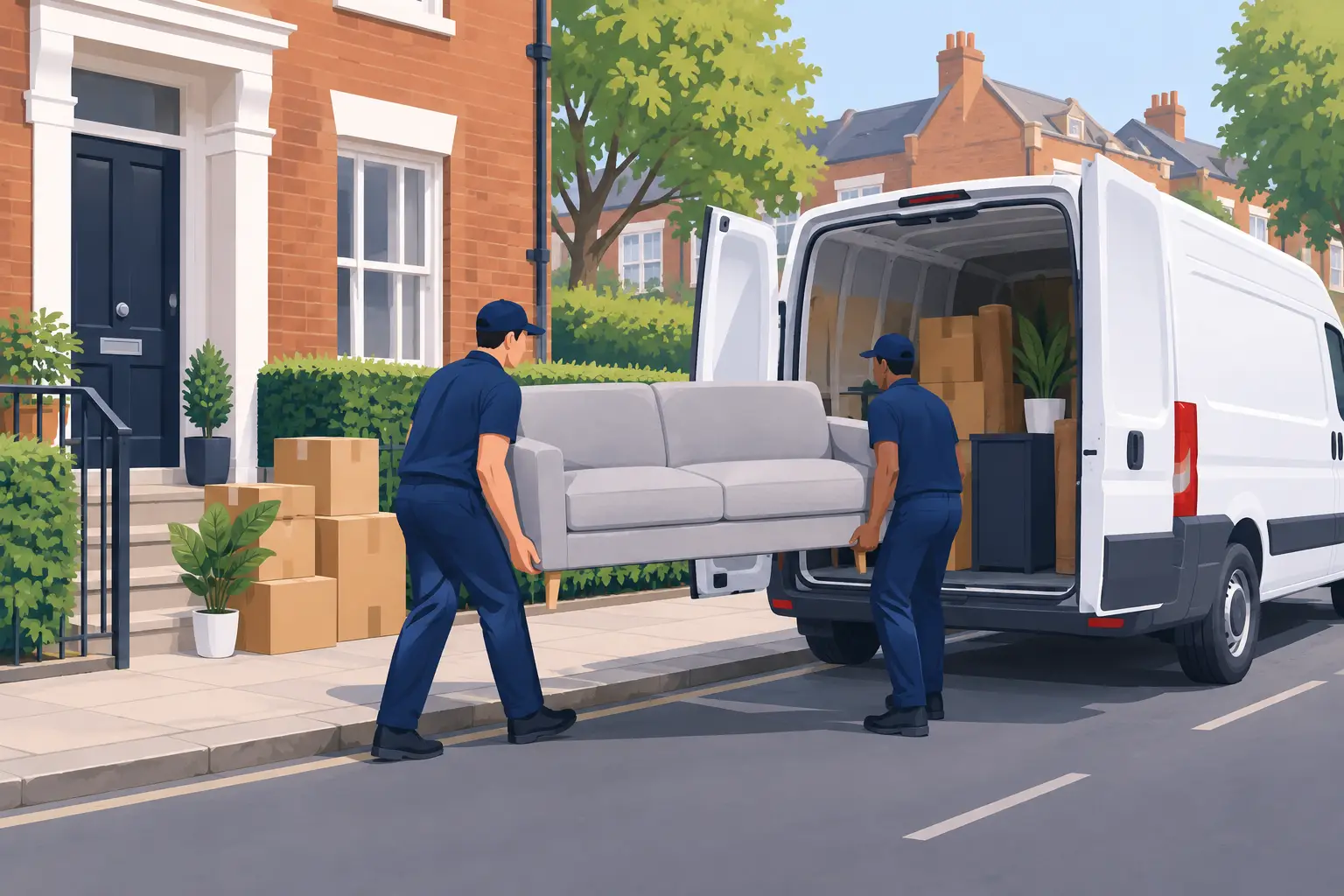
A flat move can look simple until moving day meets a Camden parking bay, three flights of narrow stairs and keys that are still with the agent. Moving out of a rented flat in London is usually less about the number of boxes and more about access, timing and knowing what has to leave the property before the final handover.
The most useful plan starts with the route from each room to the van. A careful crew can dismantle, load, drive, unload and reassemble, but clear information before the day means they can arrive with the right people, protection and equipment. It also gives you space to deal with cleaning, meter readings and the practical parts of leaving a rented home without trying to do everything at once.
Plan your rented flat move around access
London access is rarely an afterthought. In areas such as Hampstead, Kilburn, Finchley or Wembley, a building may have a loading area, a shared drive, a basement entrance or only a busy street outside. The difference changes how far items need to be carried and how the loading plan should work.
Tell your removal company early about the collection address, destination, floor number, lift size and any stairs. Mention narrow hallways, internal steps, low garage entrances and tight turns on terraced streets. Photos or a quick video of awkward access can be genuinely helpful when you are unsure whether a wardrobe, sofa or large table will come out in one piece.
Parking deserves the same attention. Customers usually arrange parking, so check the official council website for the relevant borough's current Controlled Parking Zone, suspension and loading information. Let the crew know about permits, no-stopping restrictions, time limits and garage height limits as soon as you have them. A legal place to stop close to the entrance keeps carrying distances sensible and reduces avoidable delays.
If the property has a lift, check whether it is working and whether the building manager needs notice for move-in or move-out use. A no-lift flat is still manageable, but the crew needs to know in advance so the loading team can be planned properly. One to four loaders may be needed depending on the items, access and the amount being moved.
Work backwards from your key handover
The final day of a tenancy often has two separate deadlines: getting your belongings out and handing the flat back in the condition agreed with your landlord or agent. Keep those tasks separate where possible. The removal crew handles the physical move; you can keep the final clean, photographs and key arrangements from getting tangled up with boxes in the hallway.
Late key handovers are one of the most common causes of a move running behind. If you are collecting keys to the new place, ask early when they are likely to be released and build a realistic plan around that answer. Where access is uncertain, discuss the order of the day with your removal team. They may be able to load first and travel once the destination is available, but this depends on the move details and needs to be agreed beforehand.
Avoid leaving the packing until after the key handover appointment. By then, the property should be easy to walk through, with only the items travelling with you left inside. Keep a small bag for keys, documents, chargers, medication and essentials rather than placing them in a box that disappears into the van.
Pack for a clean exit, not just a quick load
Renting adds a practical wrinkle to packing: you need to empty cupboards, shelves, loft storage and under-bed drawers completely. Small items left in fitted units are easy to miss, particularly when you are rushing between rooms. Start with the places you use least, then work towards the kitchen and daily essentials.
Use clearly marked boxes for each room at the new address, but do not overfill them. Books, plates and heavy kitchen items are safer in smaller boxes. Keep similar items together and tape boxes shut before the crew arrives. Open bags and loosely packed boxes slow loading and make it harder to protect contents on stairs.
For the last day or two, it helps to keep four groups separate: items for the move, rubbish and recycling, cleaning supplies, and things you are taking yourself. That simple division stops a cleaner's cloths, a kettle or the tenancy paperwork being loaded by mistake.
Furniture needs a decision before moving day. Flat-pack wardrobes, beds and large tables may need dismantling to come through a narrow doorway or downstairs safely. Let the crew know what needs taking apart and what needs reassembling at the other end. Mooveto can handle furniture dismantling and reassembly, along with light handyman jobs such as hanging items, filling wall holes or connecting a washing machine where suitable.
Take particular care with larger appliances. Empty and dry a fridge or freezer before it is moved, and make sure the route is clear. American fridge freezers usually need three people and may need their doors removed, so they should never be a last-minute surprise. The same applies to a piano: it can be moved with advance notice, allowing suitable specialist equipment to be ready.
Make the loading plan safer on a London street
A removal crew protects items as they move through the flat, not only once they are in the vehicle. That can mean using blankets, straps and mattress covers, and arranging floor protection on request where the route needs it. Bubble wrap and mattress covers can be included; shrink wrap is charged separately by the rolls used. Discuss fragile furniture, glass, artwork and anything with an existing mark before loading begins.
You can help by leaving a clear route from every room to the front door. Roll up loose rugs, move plants and bins away from the hallway, and keep children and pets out of the carrying route. In shared buildings, avoid blocking communal doors or stairs while boxes are waiting to go down.
Do not assume a few extra bags will fit without mentioning them. A good move plan is based on what is actually leaving the flat, including cellar contents, balcony furniture, bikes and anything stored in a locked cupboard. If you add substantial items after booking, tell the company promptly so they can adjust the crew or vehicle plan if necessary.
Leave room for the final walk-through
Once the van is loaded, resist the urge to leave immediately. Walk through every room, opening cupboards, checking behind doors and looking in shared storage areas you are responsible for. Check the balcony, bathroom cabinet, kitchen drawers and the space behind appliances. These are the places small but important belongings are often found after the crew has departed.
Keep cleaning materials and rubbish arrangements available until this check is complete. If the property needs a final wipe-down, it is much easier to do with furniture gone and the floor exposed. Only then should you gather keys and complete your handover arrangements with the agent or landlord.
A rented flat move does not need to feel like a race against the clock. Give your crew the access details early, make the furniture plan before packing day and keep your handover tasks separate from the loading route. When you are ready to move from London or NW London to your next address, request a free quote and set out the plan clearly from the start.