
Moving Out of a Flat With No Lift in London
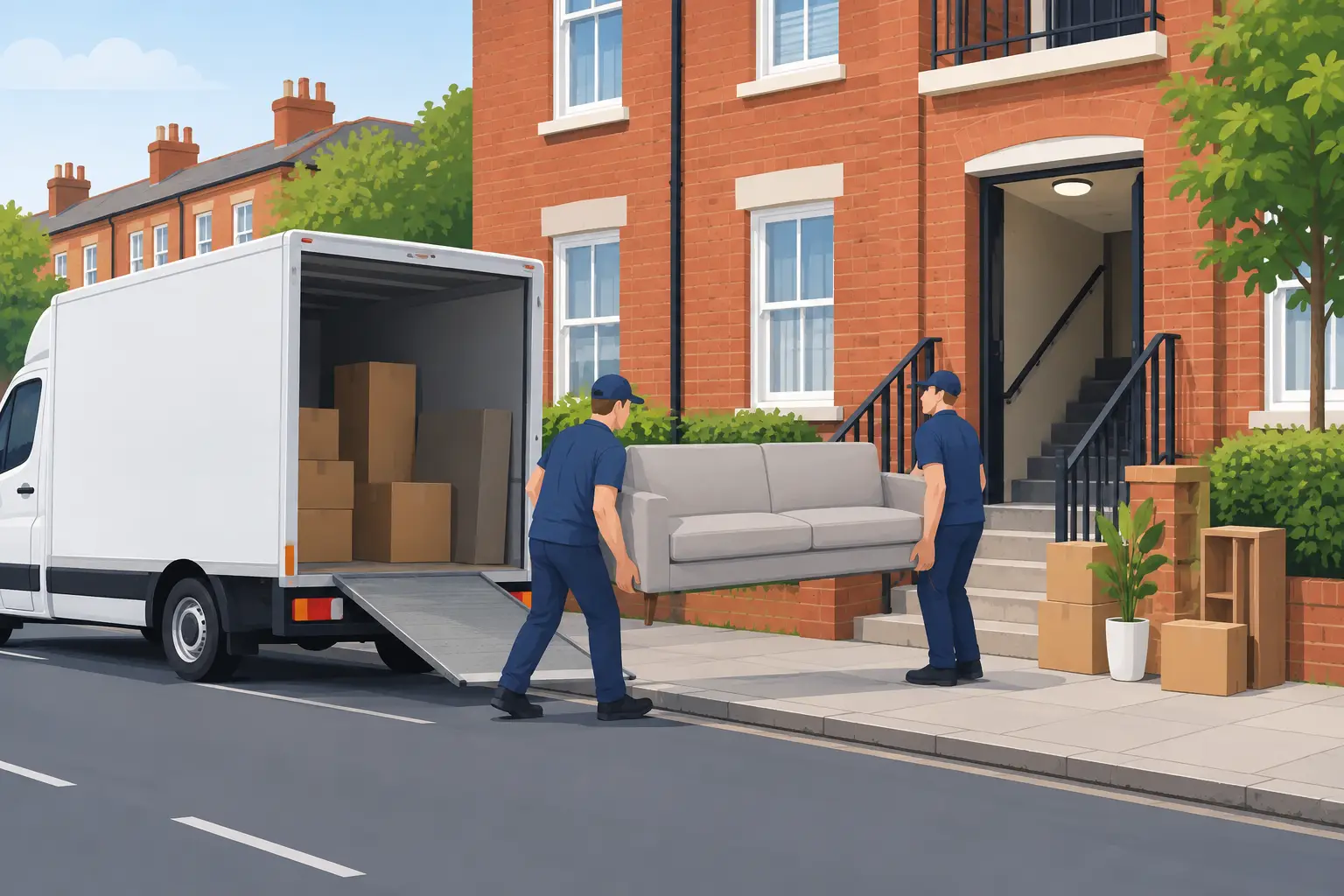
A third-floor flat can look manageable until the sofa reaches the first landing. When you are moving out of a flat with no lift in London, the stairs are not a small detail to mention at the end of a booking. They shape the crew needed, the loading order, the time on site and whether larger furniture needs to come apart before it can leave the building.
The move itself is still straightforward when the access is planned properly. A careful removals crew will assess the route, protect items before they go downstairs, carry them safely, secure them in the van and repeat the process at the new address. The key is giving the right information early, rather than discovering a tight turn or four flights of stairs when the van has arrived.
What makes a no-lift flat move different?
Stairs create repeated handling. Every box, chair, mattress and appliance has to be carried down the full route, often through shared hallways with limited space to pause. In older London conversions, the staircase may also include narrow turns, low ceilings, uneven steps or internal doors that reduce the available width.
That does not automatically make an item impossible to move. It does mean the crew needs a realistic picture of the building. A wardrobe may be dismantled, a bed frame taken apart, and loose drawers removed from a chest before carrying it. Protecting the item matters, but so does protecting walls, bannisters and communal areas while moving through them.
There is also a practical trade-off. Dismantling takes preparation and reassembly at the destination, but it can make a difficult stair carry safer and more controlled. Keeping furniture whole can be quicker where access is wide and clear, but it is not always the sensible option in a narrow stairwell.
Tell your removals crew about the stairs before move day
The most useful detail is not simply that there is no lift. Let the team know which floor the flat is on and how many flights are involved. Explain whether there are stairs from the street entrance, a split-level layout inside the flat, or a basement route. If the entrance is behind a locked communal door, mention how access will work on the day.
Photos or a short video of the stairs can help with planning, especially where there are tight corners. It is useful to show the main entrance, any turns on the landings and the route from the building to the nearest practical loading point. This lets the team consider the safest way to handle bulky pieces before they arrive.
Be clear about the items that are awkward rather than just numerous. Large wardrobes, solid wood tables, recliner sofas, American fridge freezers and oversized mirrors all need particular thought. American fridge freezers usually need three people and may need their doors removed. Pianos can be moved with advance notice, so the right specialist equipment can be ready.
A good move plan also accounts for what is at the other end. A ground-floor collection followed by a fourth-floor delivery without a lift is still a stair move. Give the same access details for both addresses, including any internal staircases once the crew is inside.
Pack for carrying, not just for storage
No-lift moves put more demands on boxes. Use sturdy boxes that can be closed properly and avoid overfilling them with books, files or kitchenware. A box that is technically liftable but difficult to control on a staircase slows the carry and increases the chance of damage.
Keep boxes clearly labelled by room and mark anything fragile. This helps the crew load in a sensible order and prevents unnecessary handling at the destination. Smaller, manageable boxes are usually better than a few heavy ones when several flights of stairs are involved.
Leave pathways clear inside the flat. Bags, dismantled furniture parts and open boxes can quickly block a narrow hallway. If possible, set aside a small area for items that are not going with the move, so the crew can focus on loading without having to keep checking what stays.
Parking is part of moving out of a no-lift flat in London
The distance between the van and your entrance matters more when every item is going down stairs. A nearby, legal loading position shortens each carry and gives the crew a clearer route. On narrow terraced streets or busy roads, that planning can make a noticeable difference to how the day runs.
Customers usually arrange parking, so check the official council website for the local rules, Controlled Parking Zone requirements, permit options and any possible suspension process. Tell the removals team early if there are no-stopping restrictions, loading limits, estate access rules or a garage height limit. A van that cannot enter an underground car park will need a different loading plan.
If your building has a concierge, managing agent or residents' association, ask what they need to know before move day. Some buildings have rules about loading entrances, protective coverings or the times when moves can take place. The crew can work around practical building requirements when they are shared in advance.
Do not assume the space outside the door will be free simply because it was free when you viewed the flat. London streets change quickly. It is worth checking access again close to the move date and keeping the team updated if anything affects where the van can stop.
Prepare large furniture before the crew arrives
Furniture does not need to be dismantled in advance unless that has been agreed as part of the plan. In fact, taking pieces apart without keeping fittings together can create problems later. What helps is emptying wardrobes, drawers and cupboards, removing loose shelves where appropriate, and making sure the crew can reach the item.
Mooveto can dismantle and reassemble furniture as part of the move, as well as handle light handyman work such as connecting a washing machine, hanging items and filling wall holes. Let the team know what needs doing when you request your quote, particularly if a bed, wardrobe or table cannot safely travel through the stairwell in one piece.
Mattresses, mirrors and upholstered furniture need careful handling around corners. Mattress covers and bubble wrap are included, while shrink wrap is charged separately according to the rolls used. Blankets, straps and secure loading help protect belongings once they are in the van, but the protection starts at the front door, not after everything has been loaded.
Keep the day moving without rushing the stairs
No-lift moves reward a steady pace. Trying to rush heavy items down a staircase is not efficient if it leads to repeated repositioning or a blocked landing. A professional crew will communicate during the carry, use the available space carefully and load the van so belongings remain secure in transit.
You can help by keeping your mobile phone available, having keys and entry fobs ready, and making sure someone can answer questions about items that remain in the flat. Late key handovers are a common cause of delays, particularly when the crew cannot access the new property or when completion arrangements change at short notice.
If you are moving from a higher floor, it may be tempting to carry down a few boxes yourself beforehand. That can be useful for personal essentials, but do not create an unlabelled pile in the communal hallway. Keep fire routes and shared access clear, and leave the main furniture handling to the people equipped to do it safely.
Choose the right crew for the access
A no-lift move is not only about the volume of belongings. The number of loaders depends on the items and the access. One to four loaders may be appropriate, depending on what needs carrying, dismantling and loading. Sharing accurate information helps the removals team send a crew that suits the job rather than leaving you with an improvised plan on the day.
If your move date is not confirmed, you can still discuss the access and the likely workload. The useful starting point is simple: collection postcode, delivery postcode, floor level, stair details, parking situation and a clear list of larger items. From there, the move can be planned around the real work involved.
A flat with no lift does not need to turn into a stressful move. It needs honest access information, sensible packing and a crew prepared to arrive, dismantle, load, drive, unload and reassemble with care. When you are ready, request a free quote and include the stair and parking details from the start.
Moving in NW London? See our removals pages for Brent, Barnet and Cricklewood.
← All articles