
How to Protect Moving Furniture From Damage
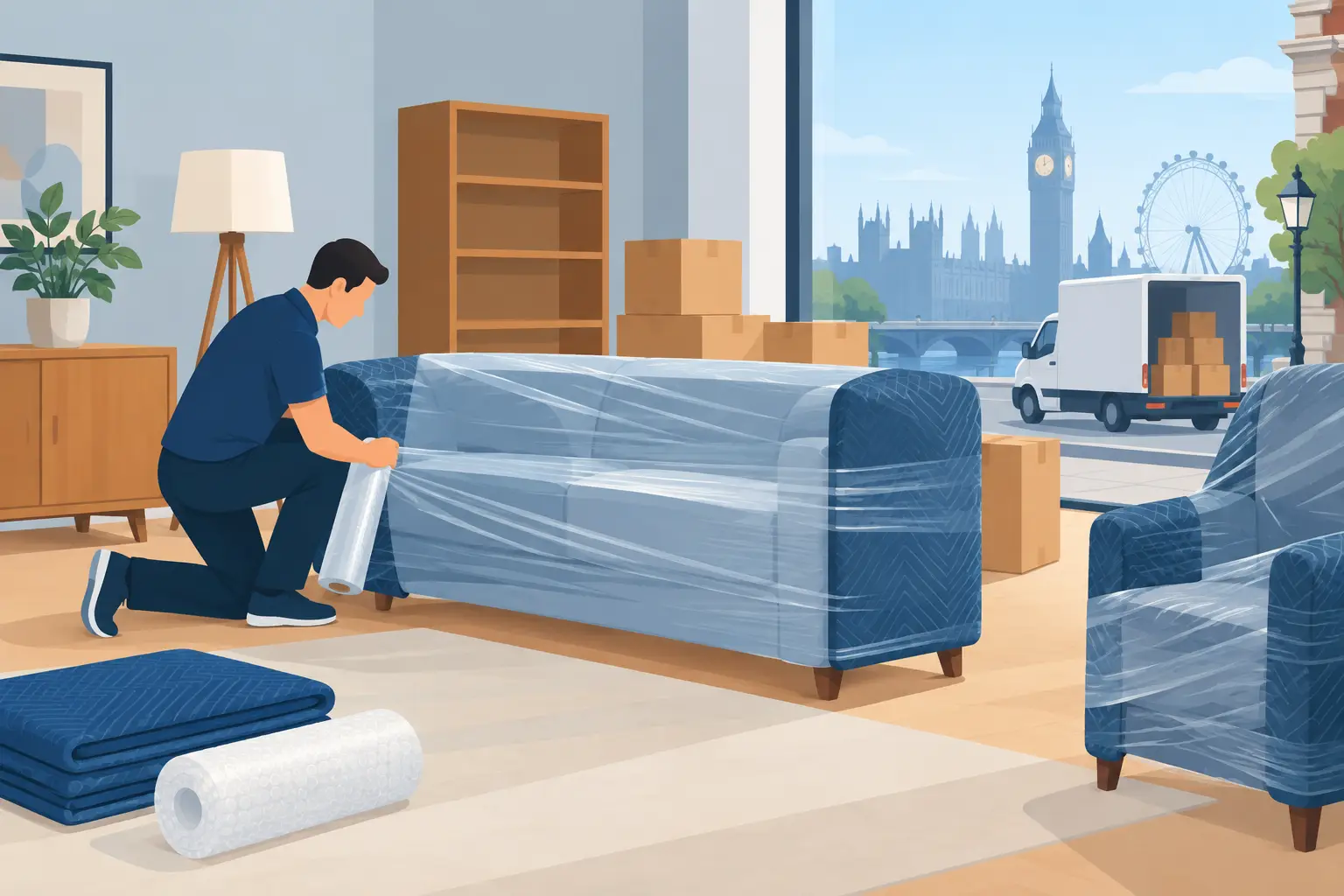
A sofa can be in perfect condition when it leaves the flat and still pick up a torn corner, muddy mark or damaged leg before it reaches the van. To protect moving furniture properly, the work starts before anyone lifts it. A clear route, the right protection and careful loading make the difference between a straightforward move and an avoidable repair bill.
Start with the route, not the furniture
Walk the path each item will take from its current position to the vehicle. Measure narrow hallways, stairwells, lifts and door frames, especially for sofas, wardrobes, large tables and American-style fridge freezers. It is much easier to remove a door, change the angle of a piece or dismantle it in advance than to force it through a tight space on moving day.
Pay attention to the route at the new address too. A ground-floor collection can become a third-floor delivery with no lift, or a wide front door can lead to a narrow internal turn. Share these details when arranging your move so the crew can plan the right number of people, the vehicle and the handling approach.
Clear loose items from the route. Rugs, trailing cables, shoe racks and boxes near the doorway create trip hazards and leave less room to manoeuvre. If rain is expected, keep towels by the entrance and make sure there is somewhere dry to place items while the van is being loaded.
Dismantle what should not travel whole
Some furniture is safer and easier to move in sections. Beds, wardrobes, dining tables and shelving units can become unstable when carried assembled, particularly through London stairwells and communal corridors. Removing legs from a sofa or table can also prevent them catching door frames or taking the full weight of the item.
Keep fittings together as you work. Put screws, bolts, brackets and shelf pins in labelled bags, then tape each bag to the relevant furniture piece or keep them in one clearly marked box. Avoid placing loose fittings in drawers, where they can scratch surfaces or disappear during unloading.
Take a few photos before dismantling anything complex. They are useful when it is time to reassemble the furniture at the new property, particularly if several similar panels or fixings are involved.
Use protection that suits the material
One wrap does not suit every item. The aim is to cushion vulnerable surfaces without creating a bulky, slippery package that is difficult to carry safely.
Wooden furniture benefits from padded moving blankets secured with tape or straps around the protection, not directly against polished or painted surfaces. Tape can lift finish or leave residue. Cover exposed corners well, as they are most likely to meet a wall, banister or van doorway.
For upholstered furniture, use a clean cover or wrap that protects against dust, rain and contact with other items. Mattress covers are particularly worthwhile: mattresses are awkward to keep clean once they are on a pavement, in a lift or inside a vehicle with other household goods.
Glass, mirrors and framed pictures need separate care. Protect the glass face with cardboard, wrap the whole piece in padded material and carry it upright where possible. Clearly mark it as fragile, but do not rely on the label alone. It still needs a protected position in the van where heavier items cannot shift against it.
Leather, veneer and high-gloss finishes can mark more easily than expected. Do not wrap these surfaces in plastic for long periods if moisture may be trapped underneath. For a longer journey, breathable padding beneath any outer cover is the safer option.
Protect moving furniture during loading
The vehicle is where good preparation either pays off or comes undone. Furniture should not simply be placed in the van and left to move around. It needs to be loaded in a stable order, with weight low down and larger items creating a secure base.
Start with heavy, solid pieces such as wardrobes, appliances and sturdy cabinets. Keep them upright if their construction requires it, and position them against the vehicle sides where appropriate. Softer items, boxes and protected lighter furniture can then fill gaps without being crushed.
Use moving blankets between items that could rub together. Straps are essential for securing furniture to anchor points and preventing movement when the vehicle brakes or turns. A strap should hold an item firmly without being tightened so much that it damages the frame, fabric or finish.
Drawers deserve a quick check before loading. Empty them wherever possible, especially on chest drawers and bedside cabinets. A loaded drawer adds weight, can slide open during carrying and may strain the unit. If a drawer must stay in place, secure it gently and protect the front from abrasion.
Do not stack heavy boxes on tables, chairs or upholstered furniture just because there is space. The pressure can dent cushions, bend frames and damage legs. A full van is not the same as a safely loaded van.
Protect floors, walls and doorways as well
Furniture is not the only thing at risk. Scuffed paint, scratched laminate and dented door frames can add stress at the end of a tenancy or delay an office handover.
Use floor protection where the route is likely to see repeated foot traffic, especially in wet weather or on newly finished floors. Lift furniture rather than dragging it, even for a short distance. Dragging can damage both the floor and the base of the item, while furniture sliders are only suitable on the right surface and for controlled movement.
Corners and banisters often take the hardest knocks. Slow down at turns, with one person guiding from the front and another communicating from behind. If an item does not pass comfortably, stop and reassess. Forcing it through is how handles snap, upholstery tears and plaster gets chipped.
Give extra attention to these common problem items
A few furniture types regularly cause issues because they are heavy, awkward or easy to mark. Plan for them rather than treating them like ordinary boxes.
- Sofas and armchairs: Remove loose cushions, protect feet and arms, and cover the fabric before carrying. Check whether legs can be removed for narrow access.
- Wardrobes: Empty them fully, remove shelves where practical and dismantle tall units that may flex or twist when carried.
- Dining tables: Take off removable legs, protect the top and carry it on its edge only when the material and construction allow.
- TV units and display cabinets: Remove glass shelves and loose doors, then secure any remaining moving parts before wrapping the frame.
- Office desks: Clear drawers and cable trays, label components and keep monitor arms or delicate fittings separately protected.
Tell your moving crew what needs special care
The most useful information is specific. Let the crew know about fragile finishes, furniture with loose joints, unusually heavy items, difficult parking, flights of stairs and access codes before the move starts. If a family heirloom has a weak leg or a cabinet cannot be tilted, say so clearly.
It also helps to point out the items that must be unloaded first. In a home move, that may be beds, a dining table or essential seating. In an office move, it may be desks and equipment needed to get staff working again. A planned unloading order keeps protected items from being repeatedly moved around at the destination.
If you need dismantling, reassembly, blankets, straps, mattress covers or floor protection, confirm this while planning the booking rather than assuming it will be available on arrival. Mooveto can plan these practical details with you, whether you are moving within London or heading elsewhere in the UK.
Check each item at the new address
Once furniture is inside, place it in the correct room before unwrapping where possible. This reduces the chance of a protected item being carried twice through the property. Check for damage as covers come off, then keep the wrapping nearby until the final heavy items are in position.
Reassemble furniture on a clean, clear floor and avoid tightening every fitting immediately. Align the frame first, then secure bolts gradually and evenly. For wardrobes and tall shelving, make sure the unit is level and stable before filling it.
Careful moving is rarely about one dramatic precaution. It is a series of sensible decisions: measure first, dismantle where needed, pad vulnerable surfaces, secure the load and never rush a tight turn. Give those details proper attention and your furniture has the best chance of arriving ready to use, not ready to repair.
Moving in NW London? See our removals pages for Barnet, Cricklewood and Kilburn.
← All articles